
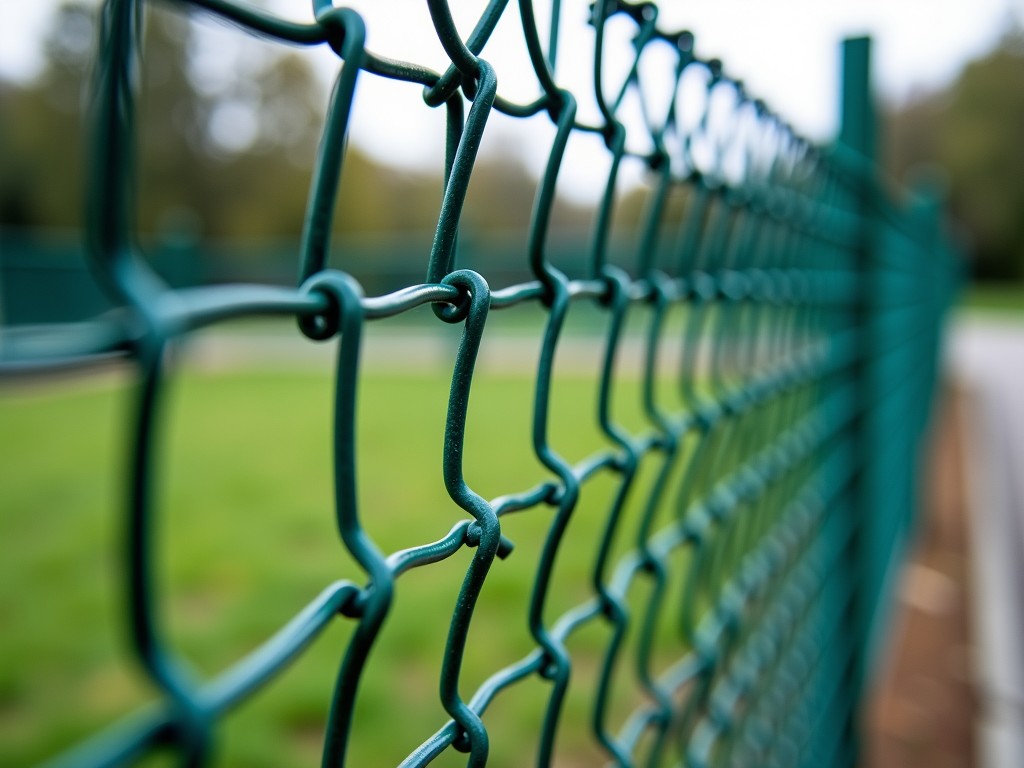
Wholesale Wire Netting Fence Supplier
Wire netting fences are fabricated from interlocking steel wires forming a uniform mesh aperture. This structure provides containment, visibility, and ventilation while resisting deformation under
Wholesale Wire Netting Fence Supplier
Wire netting fences are fabricated from interlocking steel wires forming a uniform mesh aperture. This structure provides containment, visibility, and ventilation while resisting deformation under typical mechanical loads. Suppliers offering wholesale volumes focus on consistent mesh geometry, wire diameter tolerance, and corrosion protection to meet the specifications of industrial enclosures, agricultural perimeters, and security barriers.
Product Construction and Materials
The base material is typically low‑carbon steel wire drawn to precise diameters ranging from 1.2 mm to 4.0 mm. Wires are galvanized either by hot‑dip zinc coating (minimum 55 g/m²) or by electro‑galvanizing for smoother finish. For environments with higher chloride exposure, a PVC over‑coat or a stainless‑steel grade (304 or 316L) may be specified to extend service life.
- Wire diameter: 1.2 mm – 4.0 mm (ISO 6935‑1 tolerance ±0.05 mm)
- Mesh aperture: 12 mm × 12 mm up to 100 mm × 100 mm (square or rectangular)
- Roll width: 0.9 m – 3.0 m (customizable)
- Length per roll: 10 m – 50 m (standard)
Typical Specifications
| Parameter | Range / Value | Notes |
|---|---|---|
| Wire tensile strength | 350 MPa – 550 MPa | Dependent on wire grade and drawing process |
| Zinc coating mass | 55 g/m² – 275 g/m² | Hot‑dip galvanizing per ASTM A123 |
| PVC coating thickness | 0.3 mm – 0.8 mm | UV‑stabilized, optional color coding |
Applications in Industrial Settings
In manufacturing facilities, wire netting fences serve as machine guarding where operators require visual access to moving parts while preventing accidental contact. The open mesh allows coolant spray, dust extraction, and lighting to pass through, reducing the need for additional ventilation ducts. For outdoor storage yards, the fence provides a deterrent to unauthorized entry while permitting wind load to pass, lowering structural stress on posts compared with solid panels.
Agricultural installations use the same product to create livestock enclosures that resist chewing and corrosion from fertilizers. The aperture size can be selected to contain specific animal sizes while still allowing sunlight and rain to reach the ground, supporting pasture health. In both cases, the long‑term value derives from low maintenance intervals and predictable service life under defined environmental conditions.
Quality Control and Testing
Each production lot undergoes dimensional verification of wire diameter and aperture using calibrated laser micrometers. Tensile samples are pulled to failure to confirm that the actual strength meets the declared range. Coating thickness is measured with magnetic induction gauges, and adhesion is assessed via cross‑hatch tape testing according to ISO 2409. Results are recorded and available to customers upon request.
Visual inspection looks for defects such as missed welds, wire breaks, or coating inconsistencies. Any roll exceeding a defect threshold of 0.5 % linear length is segregated for rework or scrap. This statistical approach reduces the risk of field failures and supports consistent performance across large orders.
Customization Options
- Custom aperture dimensions (non‑standard squares, rectangles, or hexagons)
- Alternative edge finishes: knuckle, twist, or welded selvage
- Coating selection: hot‑dip zinc, electro‑galvanize, PVC, powder coat, or stainless steel
- Roll length and width adjustments to match site‑specific post spacing
- Pre‑cut panels or fabricated sections with integrated mounting brackets
Packaging and Logistics
Rolls are wrapped in polyethylene film to protect against moisture during transit, then placed on wooden pallets with corner boards to prevent edge damage. For export shipments, pallets are secured with steel strapping and marked with handling symbols. Standard pallet dimensions accommodate 20‑foot and 40‑foot containers, allowing efficient stacking without deformation of the mesh.
Lead times depend on the selected coating and any special aperture tooling; typical production cycles range from 10 to 25 working days after receipt of approved technical drawings. Customers receive a packing list and material certificate with each shipment, facilitating customs clearance and quality verification at the destination.
Frequently Asked Questions
Can the wire netting be supplied with a specific aperture size not listed in the standard catalog?
Yes. Custom aperture tooling can be arranged; the minimum order quantity is determined by the die setup cost and generally starts at 500 linear meters. Provide the required opening dimensions and wire diameter, and a quotation will include tooling amortization.
What information is needed to receive an accurate quote?
Specify wire diameter, mesh aperture, roll width, length per roll, coating type (galvanized, PVC, stainless), and any edge finish. If the product will be cut to length or fabricated into panels, include the final part dimensions and quantity.
How is quality verified before shipment?
Each lot undergoes dimensional checks, tensile testing, and coating thickness measurement as described in the quality control section. A test certificate summarizing these results is attached to the shipping documents.
Request a Technical Quote
To initiate a quotation, share the application details, required quantities, and any special packaging or labeling needs. Our engineering team will review the specifications and return a detailed cost breakdown within two business days.
Contact our technical team