
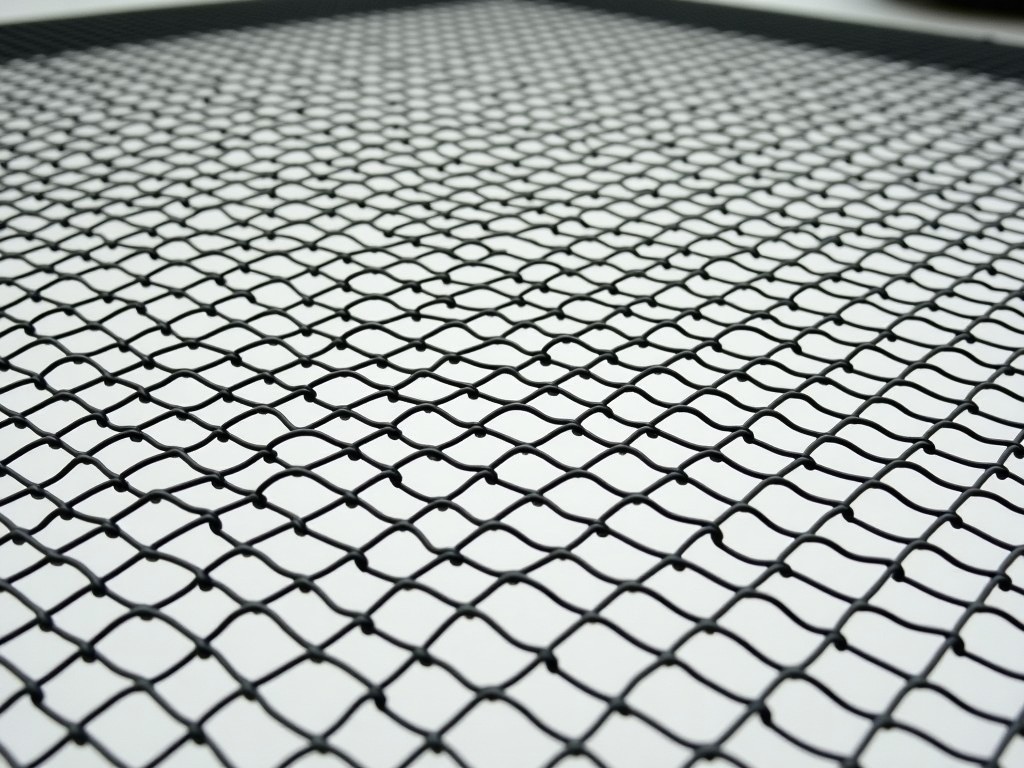
Custom Durable Wire Mesh Panels Supplier
Wire mesh panels are engineered barriers formed by intersecting wires welded or woven at precise intervals. Their performance depends on wire diameter, opening geometry, tensile strength, and surface
Custom Durable Wire Mesh Panels Supplier
Wire mesh panels are engineered barriers formed by intersecting wires welded or woven at precise intervals. Their performance depends on wire diameter, opening geometry, tensile strength, and surface treatment. Selecting the right combination ensures structural integrity under specific load and environmental conditions.
Overview
A supplier capable of custom fabrication adjusts panel dimensions, wire gauge, and aperture size to match project specifications. This flexibility reduces the need for on‑site modifications and minimizes material waste. Understanding the relationship between mesh opening and load distribution is essential for applications ranging from concrete reinforcement to security fencing.
Material and Construction
Panels are typically produced from low‑carbon steel, stainless steel, or galvanized steel, each offering distinct corrosion resistance and mechanical properties. Wire diameters commonly range from 2 mm to 8 mm, while opening sizes vary from 6 mm square to 50 mm rectangular, depending on the intended function. The welding or weaving process determines the panel’s shear strength and fatigue life.
- Low‑carbon steel: cost‑effective, suitable for dry interior environments.
- Stainless steel (AISI 304/316): high resistance to moisture and chemicals.
- Galvanized steel: zinc coating provides barrier against rust in moderate outdoor exposure.
Customization Options
Customization begins with defining the panel’s overall dimensions, which can be cut to lengths up to 3 m without compromising weld integrity. Edge treatments include flattened, rolled, or reinforced borders to facilitate handling and installation. Surface finishes such as powder coating or PVC sheathing can be added to meet specific aesthetic or corrosion‑protection requirements.
- Panel size: width 0.5‑2 m, length 0.5‑3 m (custom lengths available).
- Wire diameter: 2 mm‑8 mm.
- Opening shape: square, rectangular, hexagonal, custom.
- Edge finish: flat, rolled, welded bar.
- Coating: galvanized, powder‑coated (RAL colors), PVC.
Typical Specifications
| Parameter | Typical Range | Notes |
|---|---|---|
| Wire Diameter | 2 mm – 8 mm | Selected based on tensile load. |
| Opening Size | 6 mm – 50 mm | Square or rectangular; custom shapes available. |
| Tensile Strength (Wire) | 350 MPa – 550 MPa | Depends on material grade. |
| Panel Thickness | Equal to wire diameter | No additional backing unless specified. |
| Surface Treatment | Galvanized, powder‑coated, PVC | Chosen per environmental exposure. |
Applications
In concrete construction, wire mesh panels act as tensile reinforcement, distributing loads and controlling crack formation. The aperture size allows concrete to flow through while maintaining structural continuity. For security fencing, smaller openings prevent climbing and provide visibility, whereas larger openings are used in animal enclosures to ensure ventilation and light penetration.
- Reinforced concrete slabs, walls, and precast elements.
- Perimeter security fencing for industrial sites.
- Animal pens, poultry houses, and aquaculture tanks.
- Filter media for liquid/solid separation in wastewater treatment.
- Architectural façades and sun‑shading screens.
Quality Control and Testing
Each production lot undergoes dimensional verification using calibrated calipers to ensure wire diameter and opening tolerances stay within ±0.1 mm. Tensile tests on representative wire samples confirm compliance with the specified strength grade. Visual inspection of welds or weaves identifies any discontinuities that could compromise shear performance.
For panels receiving protective coatings, adhesion tests and salt‑spray examinations are performed according to ASTM B117 to validate corrosion resistance. Documentation of test results is supplied with each shipment, allowing buyers to trace material conformity to project specifications.
Frequently Asked Questions
Can dimensions be customized?
Yes, panel width, length, and edge finish are tailored to the provided drawings or specifications.
What information is required before quotation?
Desired wire diameter, opening size, panel dimensions, material grade, and any surface treatment.
What materials are available?
Low‑carbon steel, stainless steel (AISI 304/316), and galvanized steel are standard; other alloys are available upon request.
How is quality inspected?
Dimensional checks, tensile testing, weld/weave visual inspection, and coating adhesion tests are performed per lot.
What packaging methods are available?
Panels are stacked flat, separated by protective interleaving, and secured on pallets with stretch film; custom crating is offered for overseas shipments.
For further details or to request a quote tailored to your project’s technical requirements, please contact our engineering team.
Request a Quote