
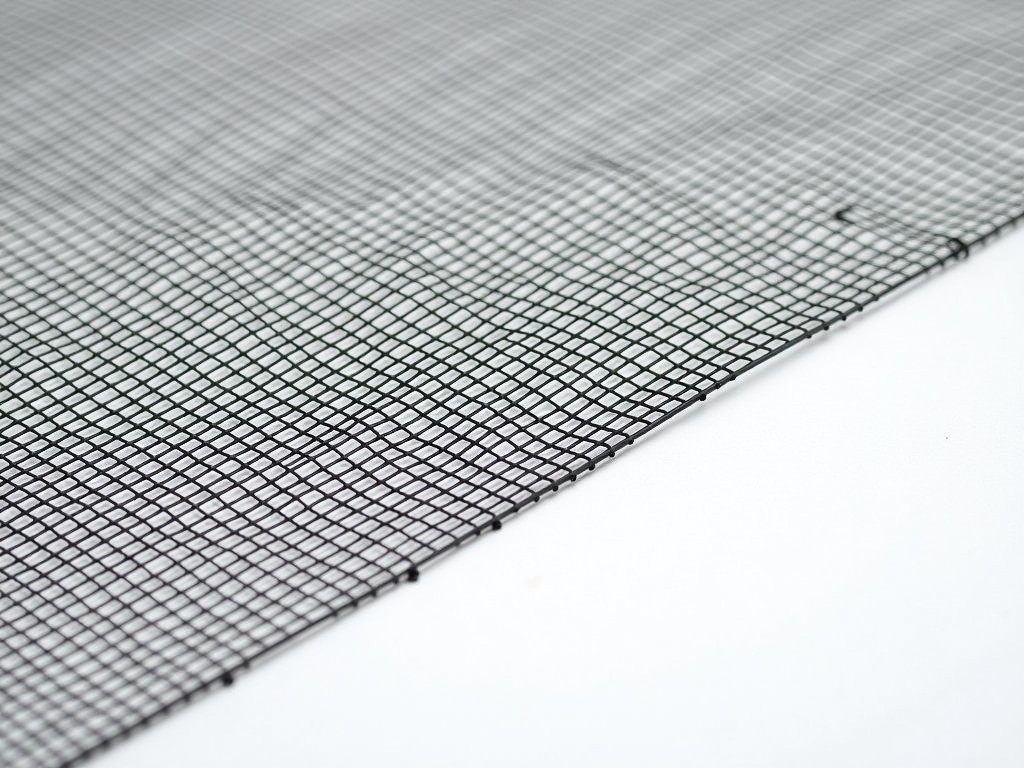
Ce Certified Wire Mesh Panels Manufacturer
Wire mesh panels are engineered barriers formed by intersecting wires welded or woven at precise intervals. The CE marking indicates conformity with European health, safety, and environmental
CE Certified Wire Mesh Panels Manufacturer – Technical Overview
Wire mesh panels are engineered barriers formed by intersecting wires welded or woven at precise intervals. The CE marking indicates conformity with European health, safety, and environmental protection standards for construction products. This page details the technical characteristics that enable buyers to assess suitability for structural, safety, and filtration applications.
Material Composition and Mechanical Properties
Typical base materials include low-carbon steel wire (grade Q195 or equivalent) and stainless steel grades 304 or 316 for corrosion‑resistant requirements. Wire diameters commonly range from 2.0 mm to 6.0 mm, influencing tensile strength and opening stability. The mesh is typically produced in a square or rectangular opening pattern, with nominal aperture sizes from 10 mm to 100 mm.
For low-carbon steel wire, tensile strength usually falls between 350 MPa and 450 MPa, with yield strength around 250 MPa. Stainless steel 304 wire exhibits tensile strength of 500 MPa to 650 MPa and better resistance to oxidation. Elongation at break for both materials stays above 15 %, providing ductility during impact loading.
Manufacturing Process
Production begins with wire drawing to the specified diameter, followed by straightening and cutting to length. Wires are then arranged in a grid and joined by resistance spot welding at each intersection, ensuring consistent bond strength. For woven meshes, wires are interlaced using a loom and subsequently welded or sintered to lock the pattern.
After welding, panels undergo a flattening pass to achieve planar tolerance within ±2 mm over a 1 m length. Edge treatment options include welded frames, bent flanges, or留孔 for fasteners, depending on the intended mounting method.
Quality Assurance and Certification
Quality control starts with incoming wire inspection, verifying diameter tolerance (±0.02 mm) and tensile strength via sample testing. In‑process monitors check weld penetration depth and spacing consistency using optical measurement systems.
Finished panels are subjected to dimensional verification (opening size, overall width/height) and visual inspection for weld defects. The CE marking is applied after successful conformity assessment against the relevant Construction Products Regulation (CPR) annexes, which include mechanical strength and durability tests.
Typical Applications
- Concrete reinforcement in precast elements, where the mesh distributes tensile loads and controls cracking.
- Safety barriers and machine guarding, providing impact resistance while maintaining visibility.
- Filtration and separation units in chemical processing, where aperture size controls particle passage.
- Architectural façades and interior partitions, offering a durable, aesthetically neutral surface.
- Agricultural enclosures and aviaries, benefiting from corrosion‑resistant options and ease of installation.
Customization Options
- Wire diameter: selectable from 2.0 mm to 6.0 mm in 0.5 mm increments.
- Opening size: square or rectangular apertures from 10 mm to 100 mm, customizable to match flow or load requirements.
- Panel dimensions: standard widths up to 2.5 m and lengths up to 6.0 m; larger sizes achievable through modular joining.
- Edge treatments: welded frame, C‑channel, L‑angle, or punched holes for bolts or clips.
- Surface finish: bare steel, hot‑dip galvanized (Z275), powder‑coated (RAL colors), or passivated stainless steel.
| Parameter | Typical Value / Range | Notes / Remarks |
|---|---|---|
| Base Material | Low‑carbon steel (Q195) / Stainless steel 304/316 | Choice depends on corrosion exposure. |
| Wire Diameter | 2.0 mm – 6.0 mm | Affects tensile strength and opening rigidity. |
| Opening Size (Aperture) | 10 mm – 100 mm (square or rectangular) | Custom apertures available on request. |
| Tensile Strength (Wire) | 350 MPa – 650 MPa | Varies with material and wire diameter. |
| Panel Width | Up to 2.5 m (standard) | Larger widths via modular joining. |
| Panel Length | Up to 6.0 m (standard) | Custom lengths possible. |
| Flatness Tolerance | ±2 mm over 1 m | Achieved after flattening pass. |
| Surface Finish | Bare, Hot‑dip Galvanized (Z275), Powder‑coated, Passivated | Selected per environmental conditions. |
| Edge Treatment | Welded frame, C‑channel, L‑angle, Punched holes | Facilitates mounting and handling. |
Installation and Handling
Panels are delivered flat or slightly bundled, with protective edge covers to prevent deformation during transit. Handling recommends using lifting straps or forklifts with soft pads to avoid point loads that could bend the wires.
For concrete reinforcement, panels are positioned before pouring and secured with tie‑wire or clips to maintain placement. In barrier applications, panels are bolted to structural frames using the pre‑punched holes or welded directly to supporting members.
Frequently Asked Questions
Can the wire mesh panels be customized to non‑standard aperture sizes?
Yes. Aperture dimensions are adjustable from 10 mm to 100 mm in both square and rectangular configurations; special shapes are available upon request after engineering review.
What information is required to obtain a quotation?
To generate a quote we need: wire diameter, aperture size, panel dimensions (width × length), desired edge treatment, surface finish, quantity, and delivery destination.
Which materials are offered for corrosive environments?
Stainless steel grades 304 and 316 are standard for high corrosion resistance; hot‑dip galvanized (Z275) carbon steel provides a cost‑effective alternative for moderate exposure.
How is quality inspected before shipment?
Each batch undergoes dimensional verification, weld strength testing (pull‑off on sample welds), visual defect inspection, and coating thickness measurement where applicable.
What packaging methods protect the panels during export?
Panels are stacked on pallets, separated by corrugated sheets, and secured with steel or polyester strapping. Corner protectors and stretch‑film wrapping prevent moisture ingress and mechanical damage.
Request a Technical Quote