
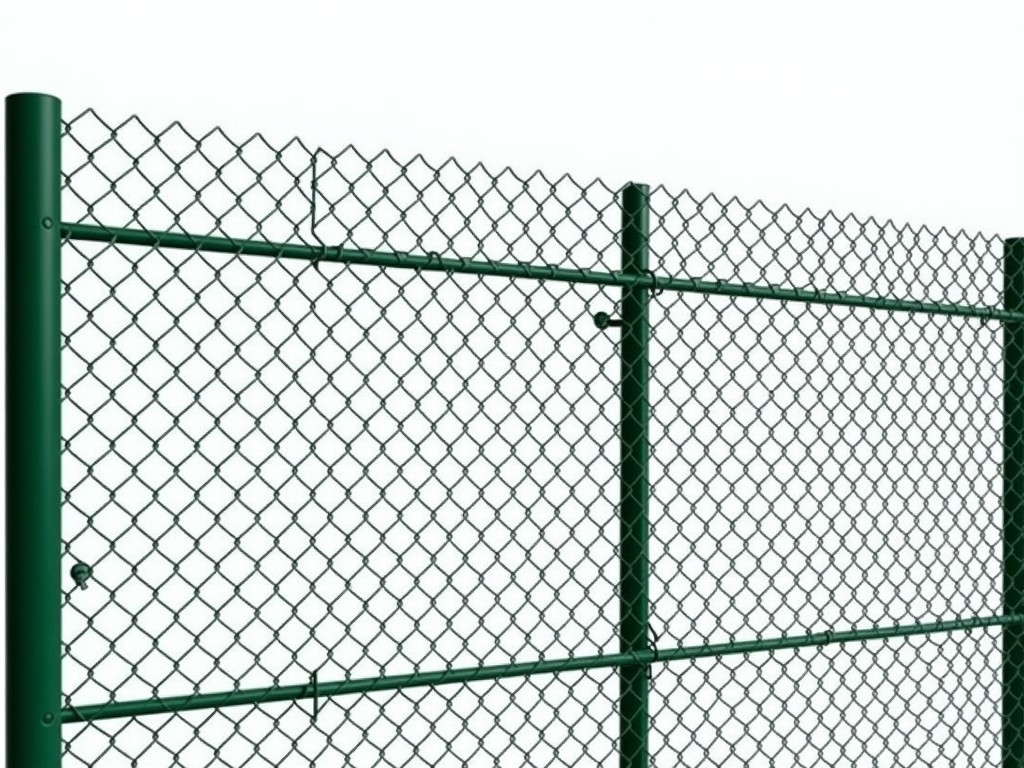
Best Price Cost Of Galvanized Chain Link Fence For Sale
Industrial buyers evaluate fencing solutions based on long‑term durability, installation expense, and resistance to environmental stressors. This page explains the engineering characteristics that
Galvanized Chain Link Fence – Cost Overview and Technical Details
Industrial buyers evaluate fencing solutions based on long‑term durability, installation expense, and resistance to environmental stressors. This page explains the engineering characteristics that affect the price of galvanized chain link fence and helps you assess total cost of ownership.
Key Specifications
Typical chain link fabric uses low‑carbon steel wire with a zinc coating applied via hot‑dip galvanization. The wire gauge, mesh opening, and fence height determine structural strength and material usage.
| Parameter | Typical Value | Notes |
|---|---|---|
| Wire Gauge | 6 ga (4.88 mm) to 9 ga (3.76 mm) | Thicker gauge increases tensile strength and cost. |
| Mesh Opening | 50 mm × 50 mm (2″) or 60 mm × 60 mm (2.4″) | Smaller openings raise material usage per square meter. |
| Coating Weight | 200 g/m² to 350 g/m² zinc | Higher weight improves corrosion resistance in aggressive environments. |
| Fence Height | 1.2 m to 3.0 m (4 ft to 10 ft) | Height influences post depth, tension wire length, and gate size. |
Material and Coating Details
The base steel is typically ASTM A36 or equivalent low‑carbon alloy, chosen for its weldability and consistent mechanical properties. Hot‑dip galvanization applies a metallurgical bond between zinc and steel, providing sacrificial protection that retards rust formation even if the coating is locally damaged.
Coating thickness is measured in grams per square meter; a 250 g/m² layer corresponds to approximately 20 µm of zinc. In coastal or industrial atmospheres, specifiers often request the upper end of the range to achieve a design life of 20 years or more without maintenance.
Applications in Industrial Settings
Factories, warehouses, and utility sites require perimeter barriers that deter unauthorized access while allowing visibility for surveillance. Chain link fences meet these needs because the open mesh does not create wind load, reducing the required post size and foundation depth compared with solid panels.
- Securing storage yards for raw materials and finished goods.
- Enclosing substations and pump stations where visual inspection is essential.
- Creating safety zones around machinery with high‑traffic pedestrian flow.
- Partitioning internal areas within large facilities to control workflow.
Cost Factors Influencing Price
Raw material cost fluctuates with global steel and zinc markets; a 10 % increase in zinc price can raise the fence price by roughly 2 % to 4 % depending on coating weight. Fabrication expenses rise with higher gauge wire because drawing and galvanizing consume more energy.
Fence height affects post length, concrete volume, and tension wire length; doubling the height may increase total installed cost by 70 % to 90 %. Gate hardware, barbed‑top extensions, and corrosion‑resistant fasteners add further line‑item costs that should be included in the quotation.
Order length influences unit price; longer rolls reduce handling and scrap, yielding a lower price per linear meter. Conversely, short runs for custom heights may incur a setup fee.
Customization Options
Buyers can tailor the fence to specific site conditions without compromising structural integrity. Adjustable parameters include wire gauge, mesh size, coating type, and top selvage style.
- Wire gauge: 6 ga to 11 ga for varying load requirements.
- Mesh opening: 38 mm, 50 mm, 60 mm, or 75 mm.
- Coating: standard hot‑dip galvanized, galvanized‑plus‑polymer, or galvalume for enhanced corrosion resistance.
- Top finish: knuckle, twisted, or barbed‑edge for security.
- Bottom tension wire: galvanized steel or stainless steel for corrosive soils.
Quality Control and Testing
Manufacturers verify coating adhesion using the ASTM A123 bend test, ensuring the zinc layer remains intact after deformation. Tensile strength of the wire is measured per ASTM A370, with typical values ranging from 350 MPa to 550 MPa depending on gauge and cold‑work level.
Zinc thickness is confirmed via X‑ray fluorescence or magnetic pull‑off gauges on random samples from each production batch. Visual inspection looks for uniform color, absence of drips, and proper selvage formation before packaging.
Lead Time and Packaging
Standard rolls are 25 m or 50 m long, wound on cardboard cores and wrapped in UV‑stabilized polyethylene film to prevent surface abrasion during transit. Rolls are stacked on pallets with corner protectors and secured with stretch film.
Production lead time varies from 10 working days for stocked specifications to 25 working days for custom gauges, heights, or coating weights. Expedited shipping options are available upon request, with freight costs quoted separately.
Getting a Quote
To receive an accurate price estimate, provide the following details: desired fence height, wire gauge, mesh opening, coating weight, total linear length, number and size of gates, and any special top or bottom treatments. Including the site’s environmental classification (e.g., inland, coastal, industrial) helps the supplier recommend an appropriate coating specification.
Quotations typically break down material cost, fabrication, packaging, and optional accessories, allowing you to compare total delivered price across vendors.
Frequently Asked Questions
Can dimensions be customized? Yes, wire gauge, mesh size, height, and coating weight can be adjusted to meet project specifications.
What information is required before quotation? Height, gauge, mesh, length, gate details, and environmental conditions are needed for an accurate quote.
What materials are available? Low‑carbon steel with hot‑dip galvanized zinc coating; optional polymer overcoat or galvalume for higher corrosion resistance.
How is quality inspected? Coating adhesion (ASTM A123 bend test), tensile strength (ASTM A370), and zinc thickness (XRF or magnetic gauge) are verified on each batch.
What packaging methods are available? Rolls wrapped in UV‑stabilized film, placed on pallets with corner protectors and stretch film.
How are export shipments protected? Additional moisture‑barrier wrapping and wooden crating can be arranged for overseas transport.
What is the typical production lead time? Stocked items ship within 10 working days; custom specifications require 15‑25 working days.
How are samples arranged? Sample sections of 1 m length can be sent upon request, with shipping costs borne by the requester.
For a detailed quotation or to discuss technical specifications, please contact our sales team.
Request Quote