
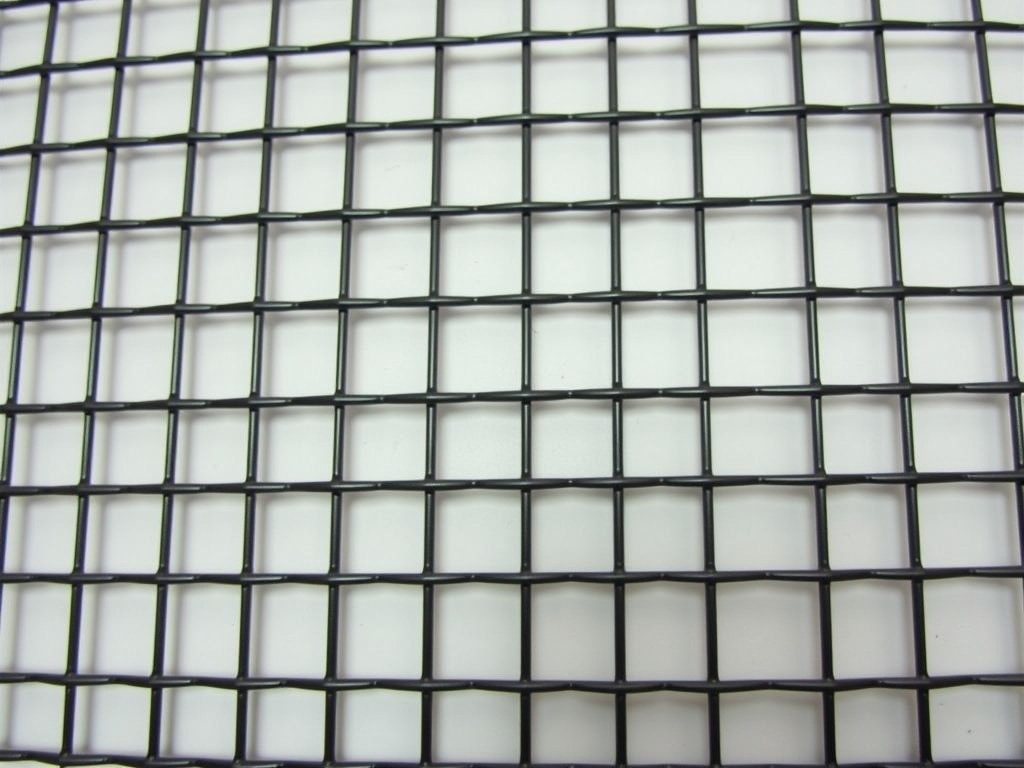
B2B High Quality Wire Net Supplier
Wire net, also known as welded wire mesh or woven wire screen, consists of intersecting wires forming a regular pattern of openings. Its primary function in industrial settings is to provide
B2B Wire Net Supply Solutions
Wire net, also known as welded wire mesh or woven wire screen, consists of intersecting wires forming a regular pattern of openings. Its primary function in industrial settings is to provide controlled passage of fluids, solids, or light while maintaining structural integrity. The performance of a wire net depends on wire diameter, opening size, material grade, and surface treatment, all of which can be tailored to specific process requirements.
Material Composition and Mechanical Properties
Commonly supplied materials include austenitic stainless steel (grades 304 and 316L), low-carbon steel, and hot-dip galvanized steel. Stainless steel 304 offers a tensile strength of approximately 500–700 MPa and good resistance to atmospheric corrosion; 316L adds molybdenum for improved resistance to chlorides and acidic environments. Carbon steel wire typically provides tensile strength between 400–550 MPa and is often coated with zinc to achieve a corrosion‑resistant layer of 10–20 µm thickness.
Typical Specifications
| Parameter | Typical Range | Notes |
|---|---|---|
| Wire diameter | 0.5 mm – 6.0 mm | Selected based on load and opening size |
| Opening size (square) | 1 mm – 100 mm | Custom apertures available |
| Roll width | 0.5 m – 3.0 m | Standard widths; custom slitting possible |
| Tensile strength (wire) | 400 MPa – 700 MPa | Dependent on material grade |
| Surface treatment | None, zinc coating, PVC coating, passivation | Chosen per environmental exposure |
Manufacturing Process
Wire net is produced either by welding intersecting wires at each crossover or by weaving wires in a loom‑like pattern. Welded mesh uses resistance welding to create a rigid joint that maintains opening dimensions under load. Woven mesh, produced on a shuttle or rapier loom, offers greater flexibility and is often used where slight deformation is acceptable. After forming, the mesh may undergo annealing to relieve stresses, followed by surface treatment such as hot‑dip galvanizing or electrophoretic coating to enhance corrosion resistance.
Applications in Industry
In mining and quarrying, wire net with openings of 10–50 mm serves as a screen deck for separating crushed ore by size, where the high tensile strength of stainless steel resists abrasion from rock particles. In concrete construction, welded mesh with 2–3 mm wire and 50–100 mm openings acts as reinforcement, distributing tensile stresses and reducing crack formation; the mesh is typically embedded within the slab before pouring. Agricultural facilities use galvanized wire net for animal fencing and poultry enclosures, where a zinc coating of 12 µm provides rust resistance in outdoor conditions. Chemical processing plants specify fine‑mesh stainless steel (opening <1 mm) for filtration of liquids and gases, relying on the material’s resistance to pitting and crevice corrosion.
Quality Assurance and Testing
Each batch undergoes dimensional verification using calibrated gauges to confirm wire diameter and opening size within ±0.05 mm tolerance. Tensile tests on random wire samples verify that the material meets the specified strength range. For coated products, coating thickness is measured with a magnetic or eddy‑current gauge, and adhesion is assessed via a cross‑cut test. Visual inspection checks for weld continuity, weave uniformity, and absence of defects such as broken wires or missed intersections.
Customization Options
- Wire diameter from 0.5 mm to 6.0 mm
- Opening size (square or rectangular) from 1 mm to 100 mm
- Material grade: 304 SS, 316L SS, carbon steel, galvanized steel
- Roll length up to 50 m per roll, splice‑free options
- Edge treatment: selvage, folded, or welded border
- Surface finish: bare, zinc‑coated, PVC‑coated, passivated
Packaging and Logistics
Finished rolls are wrapped in polyethylene film to protect against moisture, then placed on wooden pallets or in crates sized to standard container dimensions. Corner protectors and strapping prevent shifting during transit. For export shipments, a desiccant packet is included inside the wrapping to maintain low humidity, and the pallet is marked with handling instructions and net weight. Typical pallet load ranges from 800 kg to 1,200 kg depending on roll dimensions and material density.
Frequently Asked Questions
Can dimensions be customized?
Yes. Wire diameter, opening size, roll width, and length are adjusted according to the customer’s drawing or specification sheet. Custom tooling may be required for non‑standard apertures, which can affect lead time.
What information is required before quotation?
To generate an accurate quote we need the desired material grade, wire diameter, opening size, roll dimensions, any surface treatment, and the required quantity. If the net is intended for a specific application (e.g., filtration pressure, load bearing), providing those parameters helps us recommend the appropriate specification.
How is quality inspected?
Inspection includes dimensional checks, tensile testing of wire samples, coating thickness measurement, and visual examination for weld or weave defects. Test reports are available upon request.
Contact for Technical Inquiry
For further details, technical datasheets, or to discuss a custom wire net solution, please reach out to our engineering team.
Request a quotation or technical datasheet